

David Espindola - Editor and Curator
Through The Chasm
Dear Nexus Reader,
We are not prepared.
That's the blunt assessment from neuroscientist Joel Pearson in The Ultimate AI Survival Guide. Not for the eventual abundance AI promises. Not for the long-term transformation. But for what comes between—the turbulent chasm we're about to enter.
I wrote about this very transition in Soulful: You in the Future of Artificial Intelligence: a bright future filled with abundance and fulfillment, yes, but preceded by difficult, painful passages that will test everything we think we know about work, purpose, and identity.
That chasm? We've reached it.
The evidence is everywhere. White-collar workers are abandoning their careers en masse, retraining for manual trades in search of "AI-proof" job security. Therapists report a surge in patients paralyzed by career anxiety—not just worried about being laid off, but terrified of becoming fundamentally obsolete. Being replaced by a machine triggers existential distress far deeper than traditional downsizing, because it makes people feel unnecessary.
This isn't theoretical anymore. It's personal. It's psychological. And it's happening right now.
So what do we do?
Is regulation the answer? At the AI Impact Summit in Delhi, Demis Hassabis of Google DeepMind argued for urgent international research to tackle AI threats and prevent loss of control over advanced systems. Political leaders called for collaboration between governments and tech firms to prioritize public safety. Yet the United States officially rejected centralized oversight, and the divide between those seeking coordinated restrictions and those championing unfettered innovation grows wider.
Meanwhile, we're left navigating the turbulence alone, armed with anxiety and outdated frameworks.
Are we thinking about intelligence correctly?
Maybe we're making a fundamental category error in how we think about intelligence itself.
Researchers warn of "System 0"—a new cognitive mode where we delegate reasoning to AI, outsourcing the very mental processes that define human thought. Italian scientists caution that over-reliance on AI-generated outputs erodes independent critical thinking. We're not just using tools. We're reshaping human cognition itself.
Yet here's the counterargument that changes everything: Comparing AI to human intelligence might be missing the point.
Human intelligence doesn't operate primarily at the level of isolated individuals. It's social. It's embodied. It's collective. When we panic about AI surpassing "human intelligence," we're measuring against an individual cognitive benchmark that was never how human intelligence actually works.
In scientific discovery, human intuition remains indispensable—not despite being subjective and embodied, but because of it. Metaphorical thinking, analogical reasoning, the ability to navigate the unknown where no data exists—these aren't bugs in human cognition. They're features that artificial intelligence, for all its statistical prowess, fundamentally lacks.
AI can process. It can predict. It can optimize.
But can it feel its way through uncharted territory using the "metacognitive awareness" that allows humans to ask original questions? Can it bridge abstract theory and physical reality through personal experience?
And then there's the ultimate question.
In a Medium article exploring whether consciousness can be explained purely through biological physics, Avi Loeb proposes an experimental test: build artificial neural networks matching the scale of the human brain. If supercomputers eventually mirror human experiences like subjectivity and free will, we'll have our answer about whether we possess a unique spiritual essence—or are simply sophisticated biological machines.
The author of the article prefers to remain neutral, waiting for technology to prove the answer.
I choose to be bold.
We are more than biological machines. More than electric pulses and chemical reactions. More than pattern-recognition algorithms in meat suits.
This isn't just faith speaking—it's evidence. The very anxiety therapists are seeing, the existential distress of feeling "unnecessary," the desperate search for meaning in an age of automation—these aren't bugs. They're signals of something profound that can't be reduced to computation.
Human intelligence is social and collective. Human intuition navigates the unmapped. Human consciousness grapples with questions AI can't even formulate. And human existence carries a weight of meaning that no supercomputer, no matter how scaled, can replicate.
So here's how we cross the chasm:
Not by competing with AI on its terms. Not by trying to out-compute the machines. Not by abandoning our careers in panic or clinging desperately to the illusion of control.
But by reclaiming what makes us irreducibly human. By building resilience not through technical retraining, but through psychological preparation. By decoupling our identity from our labor. By strengthening the social, embodied, collective intelligence that was always our true nature.
The turbulent transition Pearson warns about? We're in it. The painful chasm I described in Soulful? We're crossing it now.
But on the other side isn't obsolescence. It's rediscovery.
If this issue resonates with you, don't keep it to yourself. The world needs us to elevate these essential discussions. Share Nexus with someone navigating their own crossing. These conversations are how we build the collective intelligence that will carry us through.
The machines may be artificial. But our intelligence—social, embodied, collective, intuitive, conscious—is profoundly, irreducibly real.
Stay bold.
Warmly,
David Espindola
Editor, Nexus: Exploring the Frontiers of Intelligence
Nexus Deep Dive - Episode 21
If you prefer to consume the content of this publication in audio, head over to Nexus Deep Dive and enjoy the fun and engaging podcast-style discussion.
Nexus Deep Dive is an AI-generated conversation in podcast style where the hosts talk about the content of each issue of Nexus.
Artificial Intelligence
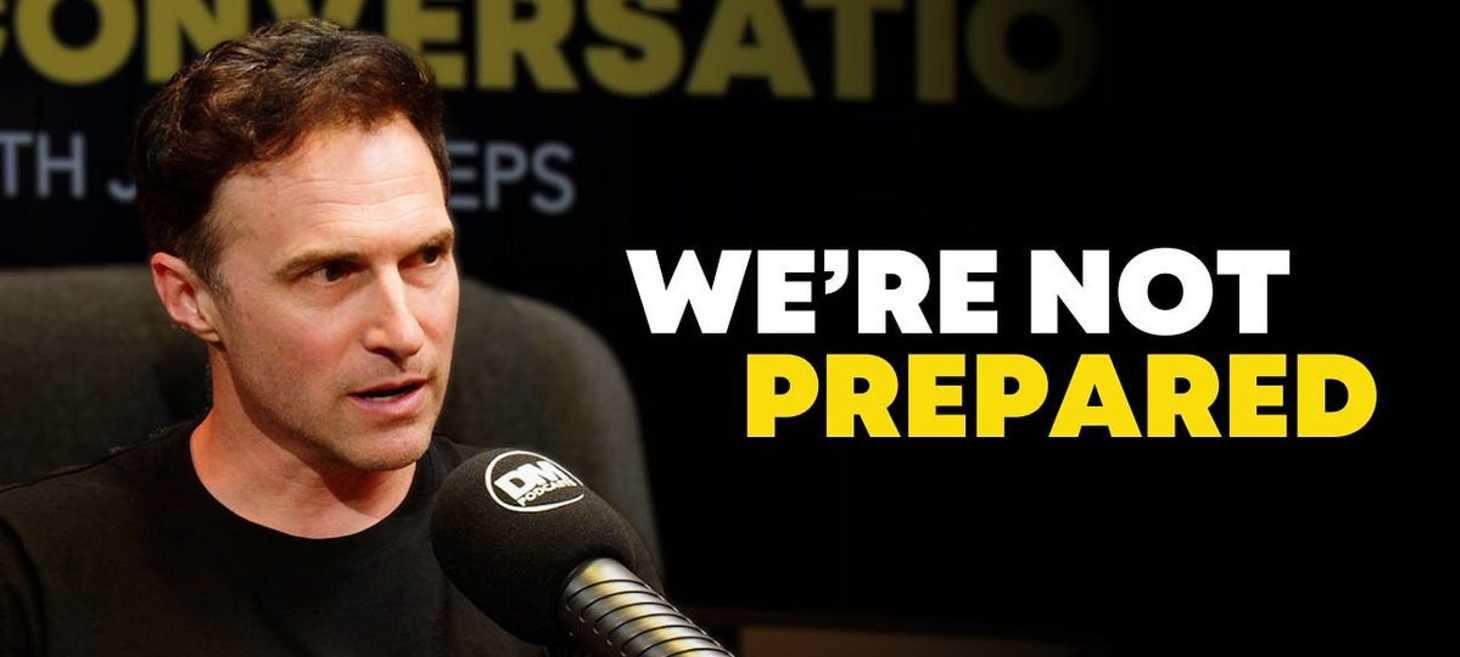
The Ultimate AI Survival Guide (for Humans)
This source introduces a discussion between Josh Szeps and neuroscientist Joel Pearson regarding the rapid and profound societal shifts triggered by artificial intelligence. The text highlights a growing public awareness of this technological "tsunami," sparked by recent breakthroughs that suggest a drastic transformation of everyday life is imminent. As the head of the Future Minds Lab, Pearson provides expert insight into how individuals can build psychological resilience and practical readiness for these changes. The conversation aims to move beyond ideological echo chambers to address the economic and political upheavals expected in the near future. Ultimately, the material serves as a strategic guide for humans attempting to navigate and survive a world increasingly dominated by advanced machine intelligence.
The big AI job swap: why white-collar workers are ditching their careers
This article examines the growing trend of white-collar professionals abandoning their careers due to the disruptive influence of artificial intelligence. Many workers in fields like journalism, law, and corporate administration are retraining for manual trades or high-touch human services to find "AI-proof" job security. While these career shifts often lead to lower wages and physical strain, individuals prioritize long-term stability over the risk of being replaced by automation. Experts remain divided on the scale of this threat, noting that while entry-level roles are vanishing, human expertise remains essential for supervising AI-generated output. Ultimately, the text highlights a significant societal shift where vocational skills are increasingly valued as a defense against technological displacement.

Therapists say they see more workers anxious about AI: It's 'a fear of becoming obsolete'
This article explores the growing psychological impact of artificial intelligence on the modern workforce, noting that therapists are seeing a rise in patients struggling with career-related anxiety. Many employees express a profound fear of obsolescence, feeling that their professional skills and personal value are being undermined by rapid technological shifts. Real-world data supports these concerns, as AI-driven layoffs and restructuring have already displaced thousands of workers across various industries. Experts suggest that being replaced by a machine can trigger existential distress more intense than traditional downsizing because it makes individuals feel fundamentally unnecessary. To manage this stress, mental health professionals encourage workers to decouple their identity from their labor and reclaim a sense of control by learning how the technology actually functions. Ultimately, the source highlights a critical need to address the emotional toll of a changing economic landscape where human roles are being redefined.
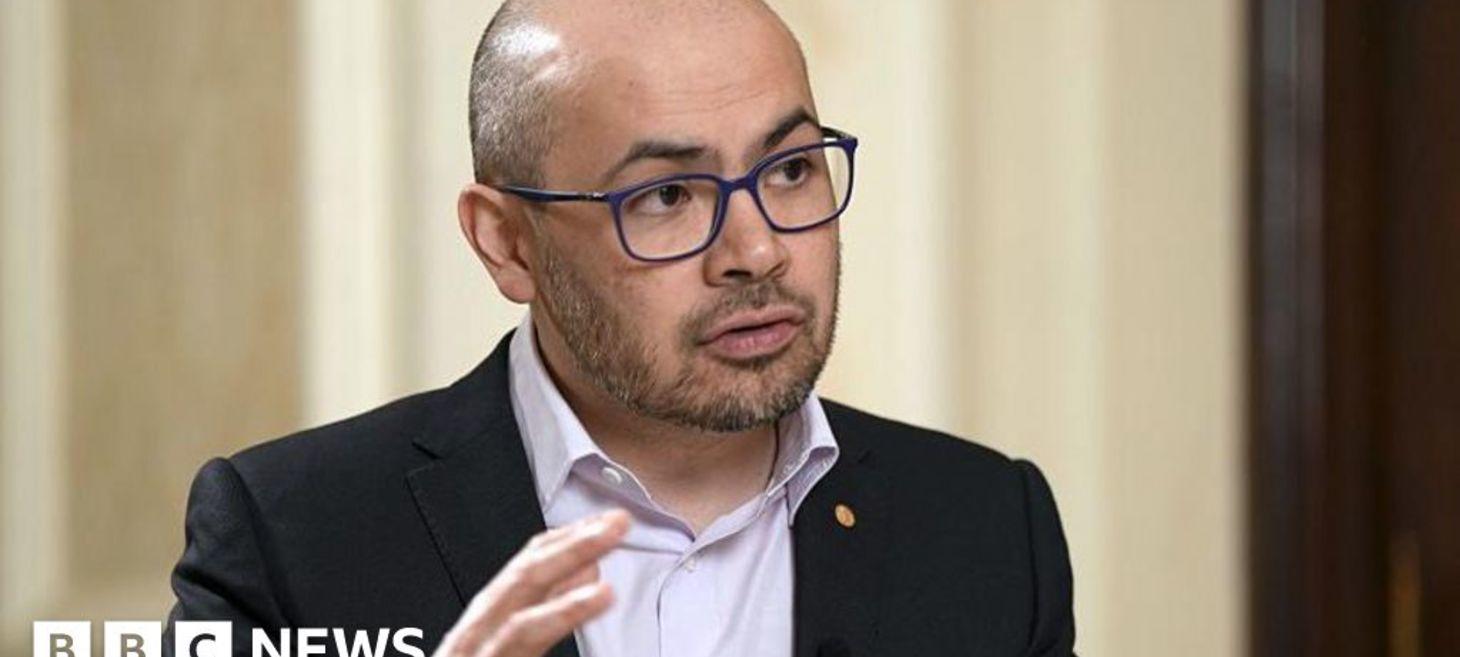
Urgent research needed to tackle AI threats, says Google AI boss
During the AI Impact Summit in Delhi, prominent leaders from the technology sector and global governments gathered to debate the necessity of urgent international regulation. Sir Demis Hassabis of Google DeepMind emphasized the immediate need for scientific research to address potential autonomous threats and the risk of losing control over advanced systems. While many nations and high-profile figures like Sam Altman advocated for global governance and strict safety guardrails, the United States officially rejected centralized bureaucratic oversight. Political figures, including the UK's David Lammy, argued that state leaders must collaborate with tech firms to prioritize public security and safety. Despite the rapid pace of development, Hassabis noted that maintaining a technical education remains vital for navigating an future driven by artificial intelligence. Ultimately, the summit highlighted a growing divide between those seeking coordinated restrictions and those prioritizing unfettered innovation.
Human Intelligence
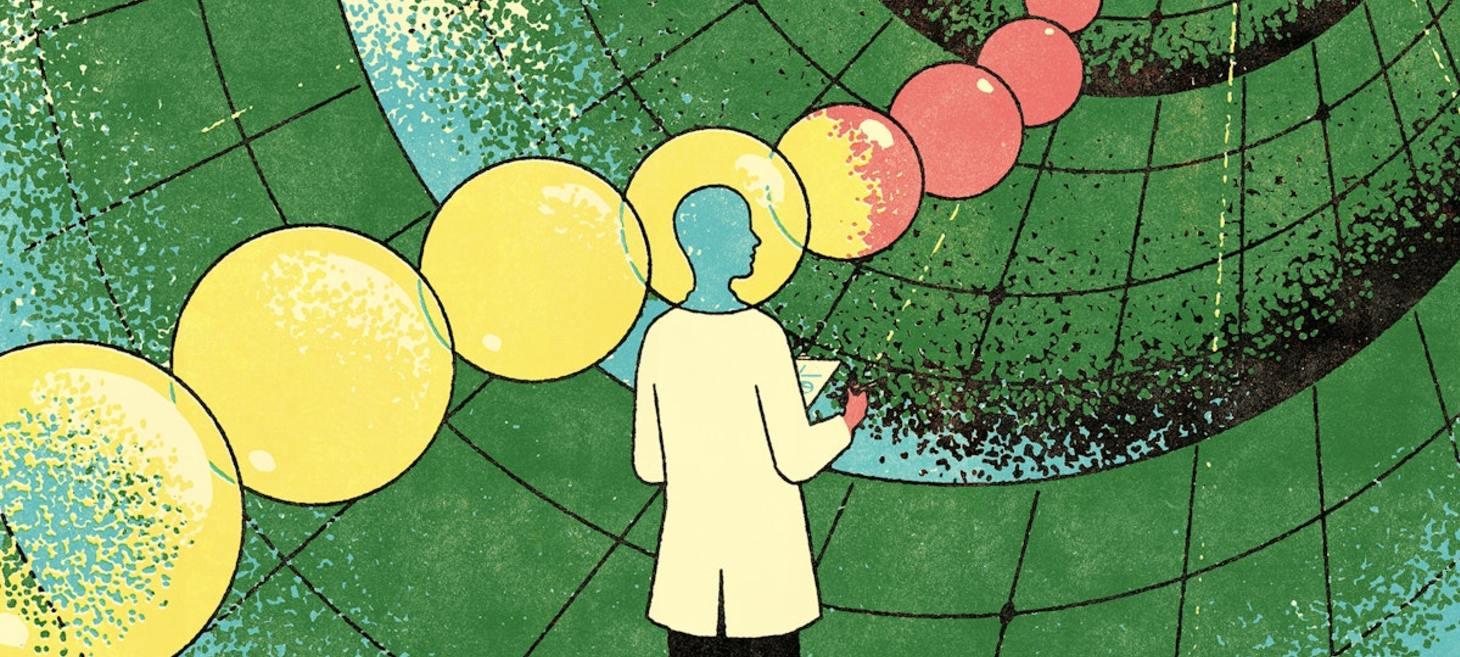
Why Human Intuition Is Still Science’s Greatest Tool In The Age Of AI | NOEMA
This article examines the indispensable role of human intuition in scientific discovery, particularly as artificial intelligence begins to automate technical research. While science is often viewed as a purely rational and objective discipline, the author argues that metaphorical thinking and embodied experience allow researchers to navigate the unknown where no data yet exists. Case studies like the fusion reactor startup OpenStar illustrate how scientists use personal analogies to bridge the gap between abstract theories and physical reality. Unlike AI, which excels at statistical prediction but lacks a physical presence, humans possess a metacognitive awareness that enables them to ask original questions. Ultimately, the text suggests that while technology can process information, the creative spark and subjective "feel" of a human mind remain essential for true innovation.
Is AI Taking Control of Our Thoughts? Researchers Warn About the ‘System 0’ Being Set Up
Italian researchers propose a new cognitive mode called 'System 0' — a form of externalized reasoning enabled by artificial intelligence — and warn of the risks of over-reliance on AI-generated outputs at the expense of independent critical thinking.
By delegating part of our reasoning to artificial intelligence, we are reshaping human thought itself. Italian researchers have named this emerging level of cognition 'System 0', referencing the thinking models developed by psychologist Daniel Kahneman.
The rise of artificial intelligence may bring far deeper changes than previously expected, to the point of altering how humans think. The paper was published in the journal Nature Human Behaviour.
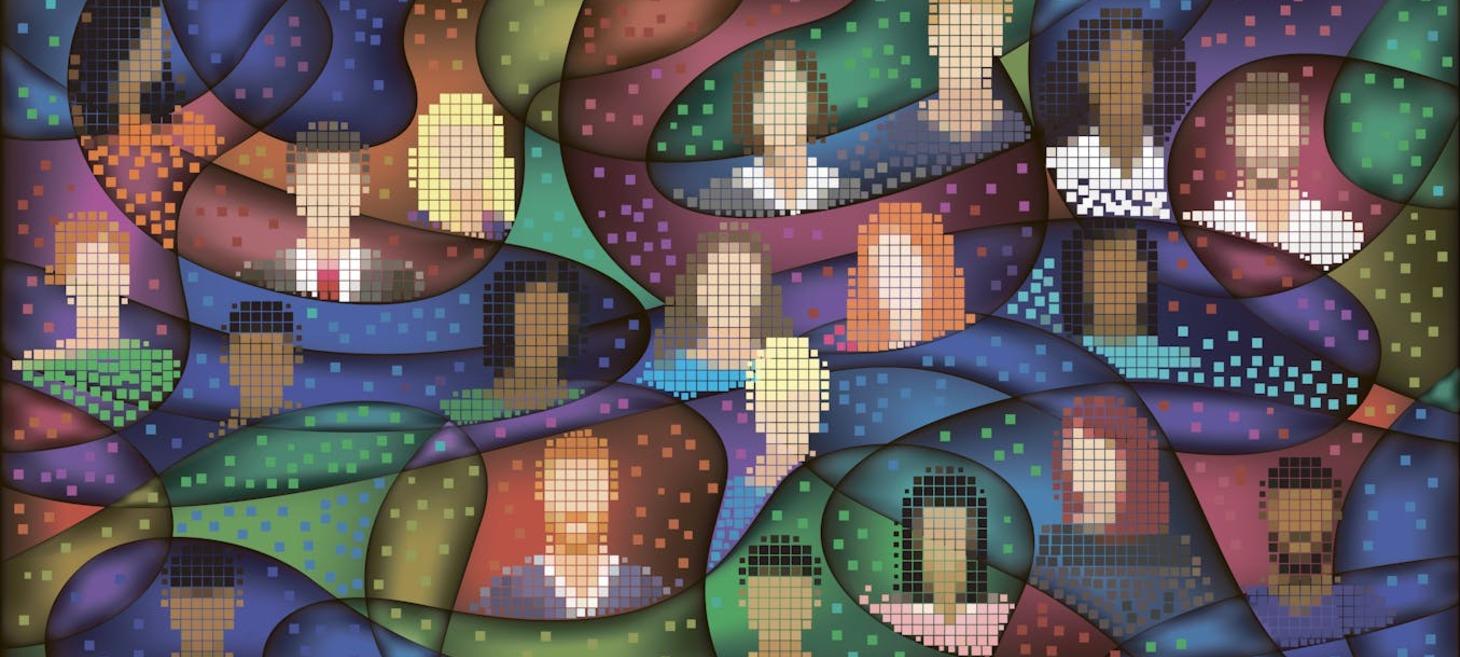
Why comparisons between AI and human intelligence miss the point
An analysis arguing that AI-versus-human intelligence comparisons constitute a category error, as human intelligence is fundamentally social, embodied, and collective — not an individual cognitive benchmark.
Claims that AI is on the verge of surpassing human intelligence have become commonplace. According to some commentators, rapid advances in large language models signal an imminent tipping point — often framed as 'superintelligence' — that will fundamentally reshape society.
But comparing AI to individual intelligence misses something essential about what human intelligence is. Human intelligence doesn't operate primarily at the level of isolated individuals. It is social, embodied and collective. Once this is taken seriously, the claim that AI is set to surpass human intelligence becomes far less convincing.
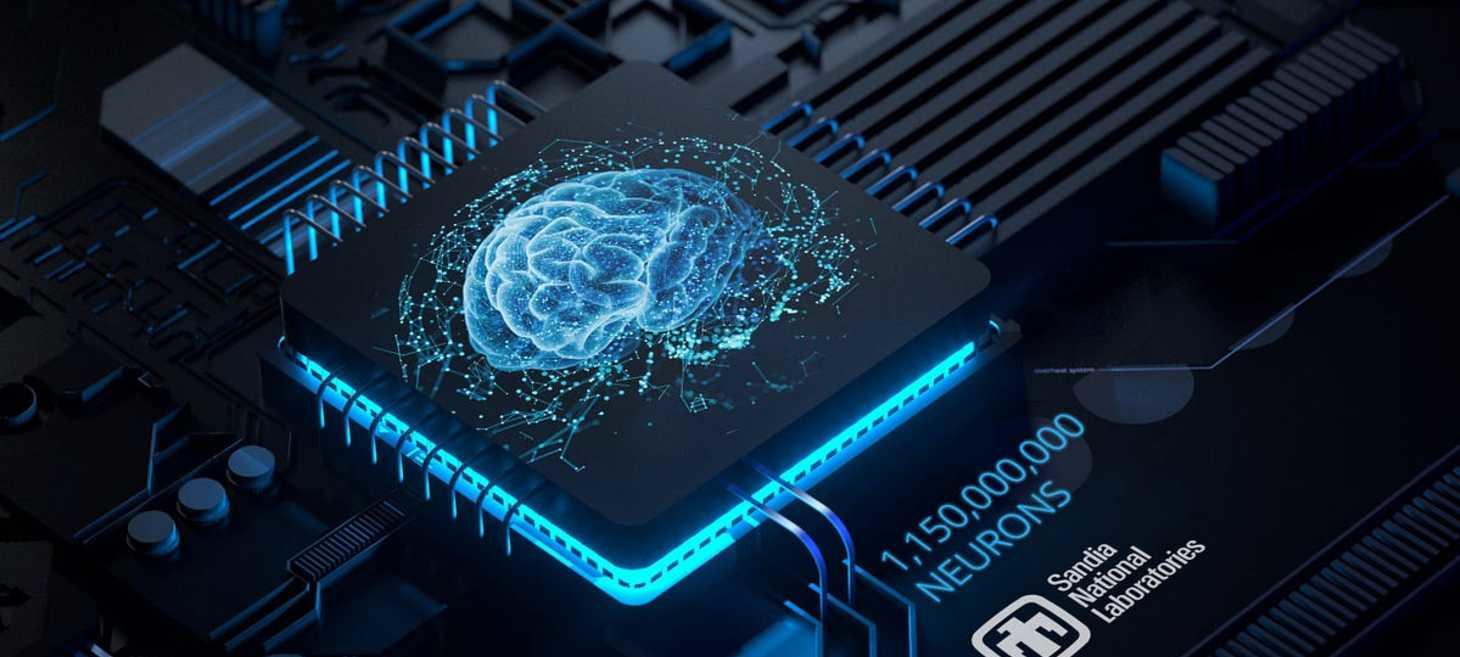
An Experimental Test for the Existence of the Human Soul
In this article, Avi Loeb explores whether human consciousness and the concept of a soul can be explained purely through biological physics. He suggests that the rapid advancement of neuromorphic computing, such as Intel’s Hala Point, provides a unique opportunity to test this theory experimentally. By building artificial neural networks that match the scale of the human brain, scientists may soon determine if free will emerges from complex circuitry. If these supercomputers eventually mirror human experiences like subjectivity, it would challenge our understanding of the metaphysical and raise serious ethical dilemmas. Ultimately, the author remains neutral, waiting for technological milestones to prove whether humanity possesses a unique spiritual essence or is simply a sophisticated biological machine.