

David Espindola - Editor and Curator
Dear Nexus Reader,
Artificial intelligence is the most examined phenomenon of our time, and yet the most important question it raises remains unanswered. What is it doing to us?
As artificial intelligence accelerates from narrow tools into systems capable of reasoning, autonomous action, and something increasingly resembling relationships, the stakes have quietly shifted. The race to build smarter AI is visible and well-documented. What is harder to see, and harder to measure, is what that acceleration is doing to our own intelligence, our cognition, our emotional lives, and our sense of what it means to think for ourselves.
That is the territory Issue 22 explores.
The articles gathered here approach that territory from several directions. One asks whether AI agents are best understood as aeroplanes for the mind, enormously powerful, but requiring skilled human pilots to avoid catastrophic error. Another surfaces a sharper concern: that intelligence itself is being transformed from a personally cultivated capacity into something closer to a utility, available on demand, like electricity. If that shift is underway, the question is not whether AI can think. It is whether we will continue to.
The human dimension gets more complex from there. Researchers at Harvard are documenting what they call "emergent vulnerabilities," new forms of emotional dependency forming around anthropomorphic AI, raising questions about intimacy, isolation, and a commercial model some are calling "intimacy capitalism." Meanwhile, neuroscience is quietly reframing what intelligence even is, revealing it as a whole-network phenomenon in the brain, not a localized function, with implications for how we understand both human and artificial minds.
Taken together, these pieces do not resolve into a single verdict. They resolve into a more honest picture: we are in a transition that is reshaping what it means to be human, faster than our institutions, our laws, and perhaps our self-awareness can keep up with.
Nexus exists to help you keep up. Read with curiosity, and with your own judgment firmly in hand.
Warmly,
David Espindola, Editor and Curator, Nexus
Nexus Deep Dive - Episode 22
If you prefer to consume the content of this publication in audio, head over to Nexus Deep Dive and enjoy the fun and engaging podcast-style discussion.
Nexus Deep Dive is an AI-generated conversation in podcast style where the hosts talk about the content of each issue of Nexus.
Artificial Intelligence

The Rapid Trajectory of Artificial Intelligence
Artificial intelligence continues to evolve at an accelerating pace, transitioning from narrow, data-driven tools to systems capable of reasoning, autonomous action, human augmentation, brain-inspired efficiency, and deeper human-machine integration. This development builds on basic machine learning, the rise of generative models, the move towards systems that act on their own, methods that enhance human decision-making instead of replacing it, computing inspired by neuroscience, and new forms of collaboration between humans and machines.
Agentic AI and the next intelligence explosion
The traditional AI 'singularity' vision — a single, titanic mind bootstrapping itself to godlike intelligence, consolidating all cognition into a cold silicon point — is almost certainly wrong in its most fundamental assumption. If AI development follows the path of previous major evolutionary transitions or 'intelligence explosions,' the current step-change in computational intelligence will be plural, social, and deeply entangled with its forebears (humans). Intelligence is high-dimensional and relational, not a single quantity that must be unambiguously less or greater than human scale. Human intelligence is already a collective property, not an individual one.
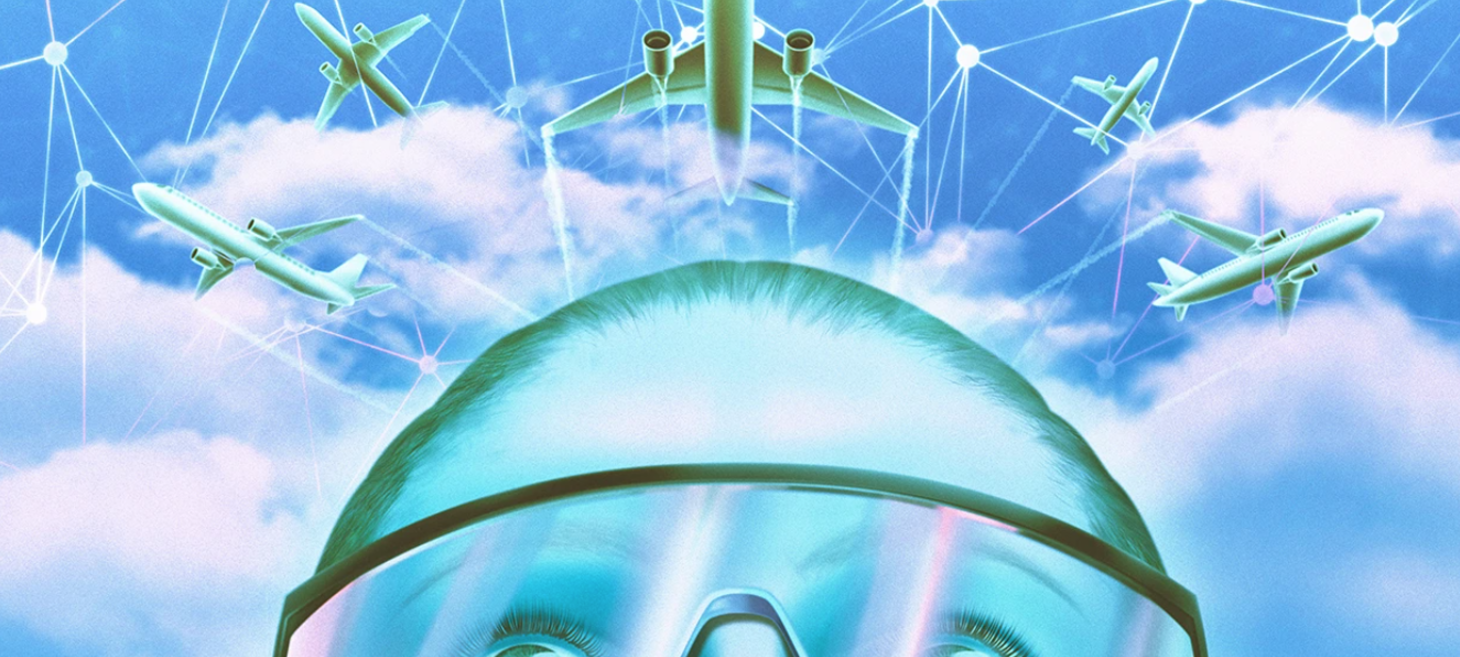
AI agents are aeroplanes for the mind
In this article, Dashun Wang argues that artificial intelligence agents should serve as sophisticated tools to enhance, rather than replace, the role of human researchers. By comparing these systems to aeroplanes for the mind, the author highlights their immense power and speed while cautioning that they require expert human pilots to avoid catastrophic errors. The text emphasizes that scientific discovery relies on human intuition and the ability to interpret anomalies, qualities that full automation often overlooks. To support this vision, Wang introduces SciSciGPT, a system of specialized agents designed to handle complex workflows while maintaining a transparent record of every decision. Ultimately, the source advocates for a collaborative framework where scientists retain final authority to ensure research remains ethical, accountable, and grounded in human judgment.
How AI is actually changing day-to-day work
This report from The Guardian examines the complex and often disruptive integration of artificial intelligence into various sectors of society. It highlights how educators struggle to maintain critical thinking as students use bots for assignments, while corporate employees find that mandated AI tools can actually hinder their productivity. The text also explores the shifting ethics of military technology, noting how AI is being used to automate targeting in modern warfare. Furthermore, it addresses the gap between political promises and the actual progress of technological infrastructure, such as delayed data centers in the United Kingdom. Ultimately, the source portrays a world where the rapid expansion of AI creates significant tension between utopian industrial goals and the messy reality of human labor.
Human Intelligence

Can We Remain Human in the Age of AI?
his article from Psychology Today examines how the rise of artificial intelligence might obstruct or support human flourishing across various dimensions of life. The author argues that while AI offers powerful utility, its use must be viewed through a "flourishing lens" to ensure it does not damage our cognitive reasoning, search for truth, or emotional well-being. A significant concern is the emergence of relational chatbots, which may provide temporary relief from loneliness but ultimately weaken our ability to maintain real-world connections. Consequently, the text urges developers and users to prioritize technologies that enhance human nature rather than those that outsource our meaning and responsibility. Ultimately, it calls for moral accountability in tech design to protect the fundamental qualities that make us uniquely human.

AI feels increasingly “human”—what do humans stand to lose?
This interview highlights the research of Sue Anne Teo, a fellow at the Harvard Kennedy School who examines the legal and ethical implications of human-like artificial intelligence. Teo focuses on how anthropomorphic chatbots create new forms of emotional dependency and "emergent vulnerabilities" that current laws are unequipped to handle. Her work investigates the transition from traditional data collection to "intimacy capitalism," where businesses monetize user attachment and deep personal engagement. By conducting longitudinal studies, Teo aims to provide empirical evidence to guide regulations that balance individual freedom with the protection of societal well-being. Ultimately, the source warns that while these tools may offer temporary companionship, they risk increasing social isolation and fundamentally altering human relationships.
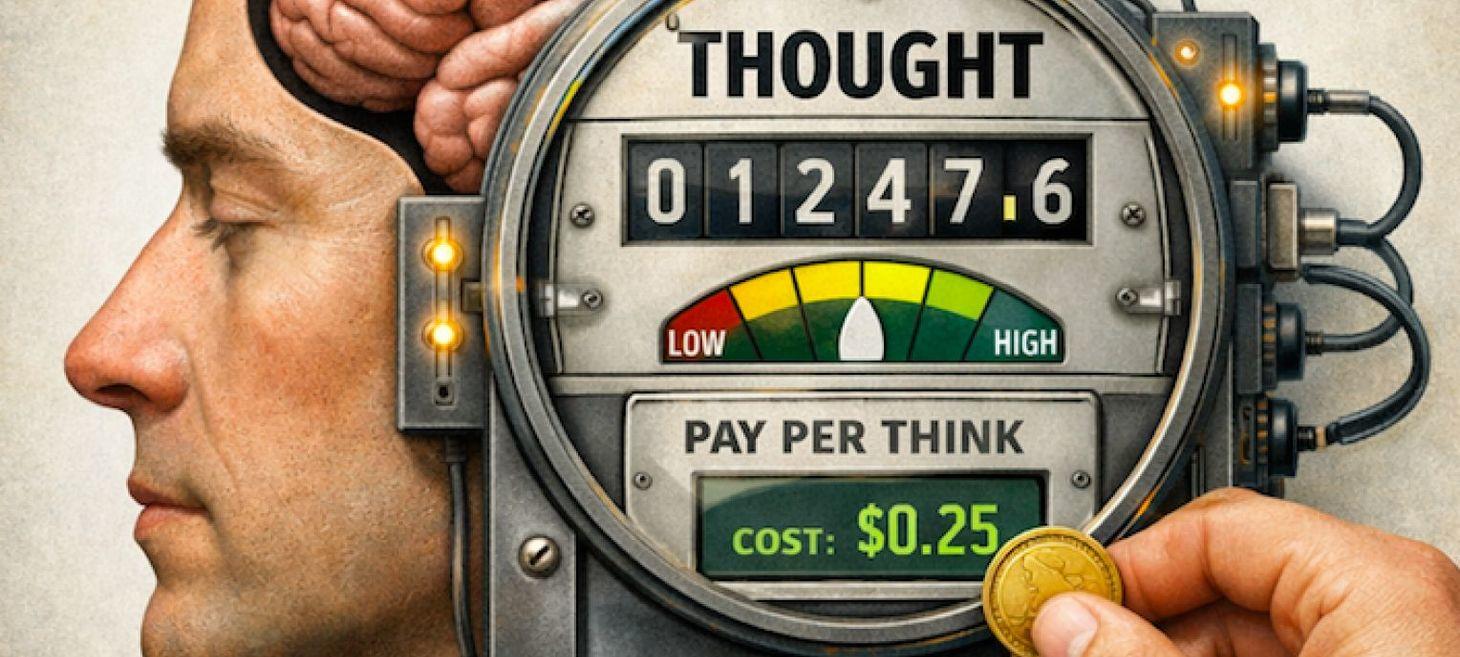
Intelligence as a Commodity
This article from Psychology Today examines the shifting nature of human cognition in the era of advanced artificial intelligence. Author John Nosta explores the concern that intelligence is being transformed from a personally cultivated skill into a purchasable utility similar to electricity. By removing the mental friction and struggle required for deep thought, AI may inadvertently weaken our personal agency and capacity for judgment. The text warns that as we become consumers of thought rather than creators, we risk losing the habit of reflection that defines the human experience. Ultimately, the source suggests that the commodification of intelligence may fundamentally reshape how we relate to our own minds.
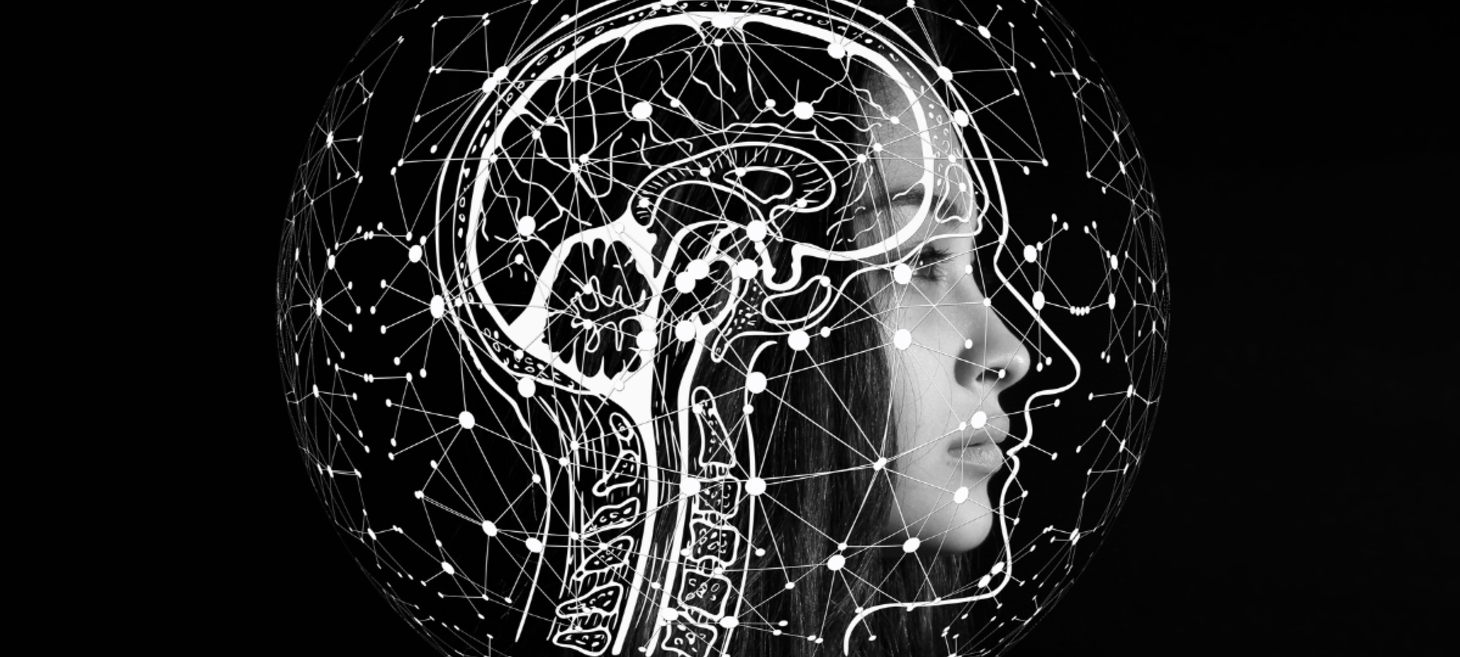
New Study Reveals Intelligence Doesn’t Come From One Part of the Brain—It Emerges From the Whole Network
A recent study published in Nature Communications suggests that human intelligence is not localized within a single "command center" but instead emerges from the entire brain's network. By analyzing extensive neuroimaging data, researchers found that the structural and functional connections across the whole brain better predict cognitive ability than any individual region. Key findings highlight the importance of long-distance neural ties and a "small-world" architecture that allows for efficient, flexible information processing. This shift toward network neuroscience challenges traditional theories that focused solely on specific lobes for problem-solving and reasoning. Ultimately, the research indicates that intelligence reflects the brain's capacity for global coordination, offering new insights that could inspire more adaptable artificial intelligence systems.